Ecommerce development built to be found and to convert
Most ecommerce development gets the checkout right and the architecture wrong. Category pages nobody searches for, product pages with no unique content, filters generating thousands of duplicate URLs — problems that cap your organic traffic before you’ve sold anything.
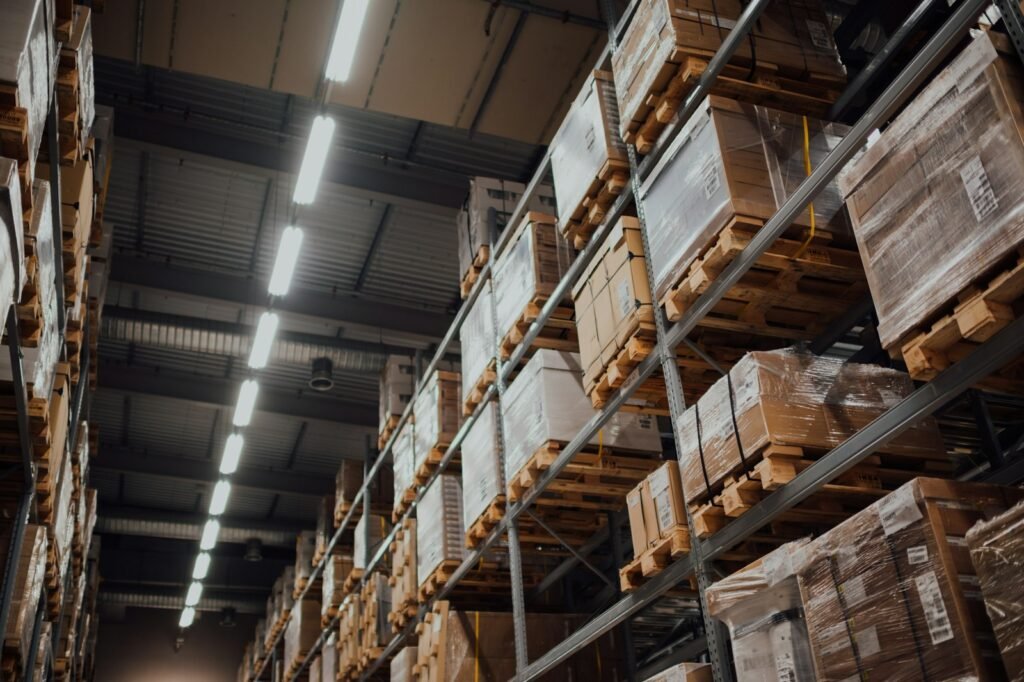
I’ve built stores running six thousand products for trade buyers. At that scale the structure matters more than the styling.
What ecommerce development includes
- Search-led architecture — categories and collections mapped to what people actually search for
- Product page design — built around the objections that stop people buying
- Technical SEO for stores — faceted navigation handled properly, canonicals, product schema, pagination
- Checkout optimisation — fewer steps, fewer abandoned carts
- Speed — product and category pages that load fast under real catalogue sizes
- Integrations — payment gateways, shipping and delivery, inventory, CRM, accounting
- Migration — moving from an existing platform without losing rankings
- Aftercare — three months of full support after launch
Custom build, or a platform
I’ll build on whichever platform suits your requirement — but where it’s viable, I build custom, and there’s a specific reason for that.
Platform stores accumulate subscriptions. A payment app, a shipping app, an inventory app, a reviews app, a filtering app — each one a monthly fee, each one a dependency you can’t remove, and the total quietly grows every year regardless of whether your revenue does. A custom build puts that functionality in the store itself. You own it, it’s easier to operate, and you stop paying rent on your own shop.
Where a platform genuinely is the better answer — and sometimes it is — I’ll say so.
Every kind of store is a different build
These are three completely different projects, and pricing follows accordingly:
- Catalogue — products displayed properly, enquiries by phone or form, no online payment
- Cash on delivery — full ordering and order management, no payment gateway
- Full commerce — payment gateway, delivery integration, live inventory, accounts, automated fulfilment
My process
- Catalogue and search research — how your products are searched for, and how that should shape the structure
- Structure — category tree, URL plan, filter strategy, signed off before design
- Design — homepage, category, product and checkout designed as a system
- Build and populate — development, product import, integrations, testing
- Launch — redirect mapping, analytics, ecommerce tracking, Search Console
- Post-launch — three months of full support included
Migrating an existing store
Replatforming is where stores lose the most traffic. Every old URL needs a mapped redirect, and the new structure has to preserve the equity the old one built. This gets planned before the build starts, not in the week of launch.
What it costs
There’s no meaningful starting price for ecommerce, because a catalogue site and a fully integrated store share a name and nothing else.
What determines the price:
- How many products, and whether they need variants, options or trade pricing
- Which of the three build types above you actually need
- Payment, shipping, inventory and accounting integrations
- Whether you’re migrating, and how much has to be preserved
- Whether product data and images exist or need preparing
- B2B requirements — trade accounts, tiered pricing, quote requests, credit terms
Tell me what you’re selling and to whom, and you’ll get a written quote against a fixed scope. Quoted and invoiced in USD.
Store projects
Trade jewellery in the UK — over six thousand products, sold business to business, built around how buyers search rather than around a template.
Tell me what you're trying to grow.
I'll come back with an honest read on what's possible — whether or not it turns into a project.